

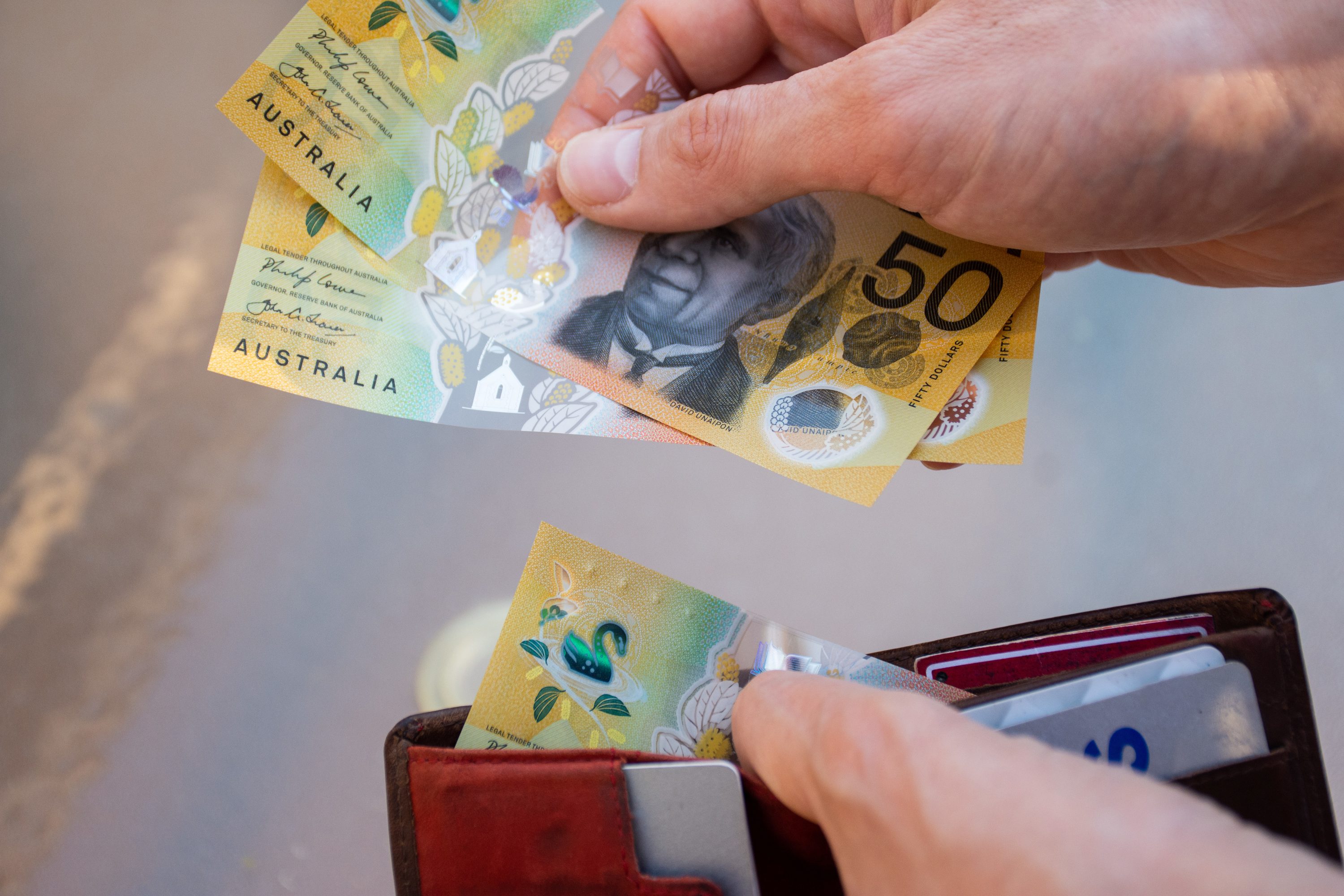
Australia visa fees jumped again on 1 July 2026, and this time the increases go well beyond routine indexation. If you’re planning to study, work, migrate, or reunite with family in Australia, the visa application charge you budgeted for a few months ago may no longer be accurate. Some categories have risen only modestly, but others have jumped by 25% to over 200% in a single update, catching applicants, migration agents, and universities off guard. This guide breaks down exactly what changed, why, who is exempt, and what to check before you lodge.
What Changed With Australia’s Visa Fees on 1 July 2026?
Most Australian visa application charges rose on 1 July 2026, with increases ranging from roughly 3% for some categories to over 200% for others. According to the Australian Government website, the current visa pricing table was refreshed on 1 July 2026, and Home Affairs directs applicants to the Visa Pricing Estimator to confirm exact costs.
The table below summarises the headline changes reported so far:
| Visa | Old fee (AUD) | New fee (AUD) | Change |
| Student visa (subclass 500) | $2,000 | $2,500 | +25% |
| Student visa (500) — eligible Pacific Island/Timor-Leste/ASEAN citizens | $2,000 | $2,050 | +4% |
| ELICOS student visa (new tier, subclass 500) | $2,000 | $2,050 | +4% |
| Temporary Graduate visa (subclass 485) | $4,600 | $5,750 | +25% |
| Skilled Independent (subclass 189) | $4,910 | $6,135 | +25% |
| Skilled Nominated (subclass 190) | $4,910 | $6,140 | +25% |
| Employer Nomination Scheme (subclass 186) | $4,910 | $6,140 | +25% |
| Skilled Work Regional Provisional (subclass 491) | $4,910 | $6,140 | +25% |
| PR Skilled Regional — Regional Provisional stream (subclass 191) | $505 | $630 | +25% |
| PR Skilled Regional — Hong Kong stream (subclass 191) | $4,910 | $6,135 | +25% |
| Skills in Demand (subclass 482) | $3,210 | $4,015 | +25% |
| Partner visa | $9,365 | $11,710 | +25% |
| Resident Return visa | $490 | $1,475 | +201% |
| NZ family relationship (subclass 461) | $445 | $1,330 | +199% |
| Bridging visa B | $190 | $575 | +203% |
Note that subclass 191 has two separate fee streams depending on eligibility pathway: applicants coming from a 491/494 regional provisional visa pay the much lower Regional Provisional stream rate ($630), while eligible Hong Kong/BNO passport holders applying under theHong Kong stream pay a rate in line with the standard skilled visa tier ($6,135).
How Much Does the Student Visa (Subclass 500) Now Cost?
The Student visa (subclass 500) application charge for a primary applicant rose from $2,000 to $2,500 on 1 July 2026, a 25% increase. This follows a similar increase in July 2025 and continues a pattern of near-annual rises.
For context on how steep the climb has been:
1 July 2024: $710 → $1,600
1 July 2025: $1,600 → $2,000
1 July 2026: $2,000 → $2,500
That’s roughly a 250% increase in two years. A new pricing tier has also been introduced specifically for ELICOS (English language) students under the subclass 500 visa, set at $2,050 rather than the standard rate, a change industry groups had lobbied against, arguing it does little to support a sector that has already seen enrolments decline.
Who this affects: anyone applying for a first-time or further Student visa, including English-language-only applicants who will now sit under the separate ELICOS pricing tier rather than the general student rate.
Why Did the Temporary Graduate Visa (Subclass 485) Get More Expensive?
The Temporary Graduate visa (subclass 485) fee rose from $4,600 to $5,750 on 1 July 2026 — its third increase in a little over a year. The visa, which lets eligible graduates work in Australia for 18 months to three years after finishing their studies, had already jumped from $2,300 to $4,600 in March 2026.
Dependants applying alongside a graduate also face higher charges: fees for partners or adult dependants and for children under 18 have risen in step with the primary applicant charge. The pace of change has drawn criticism from student representative groups, who argue that the increase amounts to a fee on graduates as they try to enter the job market.
What About Skilled and Employer-Sponsored Visas?
Skilled migration fees also rose by roughly 25% on 1 July 2026: the Skilled Independent visa (subclass 189) primary applicant charge increased from $4,910 to $6,135, and the employer-sponsored subclass 482 charge rose from $3,210 to $4,015.
These increases coincide with separate salary threshold changes. The Core Skills Income Threshold for employer-sponsored visas will rise to $79,499 from 1 July 2026, with higher thresholds applying to specialist occupations. Employers sponsoring overseas workers now face both a higher visa charge and a higher minimum salary obligation on the same date, which can meaningfully affect hiring budgets for smaller employers.
The Skilled Nominated visa (subclass 190) and the Employer Nomination Scheme (subclass 186) rose the same way as the subclass 189 and now sit at $6,140, matching the confirmed figure for the related Skilled Work Regional (Provisional) visa (subclass 491), which is also $6,140 for the primary applicant, plus $3,070 for an additional applicant 18+ and $1,535 for a dependant under 18. The 491’s PR pathway, the Permanent Residence (Skilled Regional) visa (subclass 191), has two separate fee streams: applicants coming through the standard Regional Provisional stream (i.e. most people transitioning from a 491/494) now pay $630, while eligible Hong Kong/BNO passport holders under the separate Hong Kong stream pay $6,135, in line with the standard skilled visa tier rather than the discounted regional rate.
Who this affects: skilled workers applying independently or via state/employer nomination (189/190/186), regional visa holders on a 491 progressing to the 191, employers sponsoring overseas staff, and anyone with a nomination close to the salary threshold who may need to reassess eligibility before lodging.
How Much More Will Partner and Family Visas Cost?
Partner visa applicants now pay $11,710, up from $9,365, an increase of 25%. The Resident Return visa and the subclass 461 New Zealand family relationship visa saw even steeper jumps: the Resident Return visa rose from $490 to $1,475 (a 201% increase), and the subclass 461 visa rose from $445 to $1,330 (a 199% increase).
For families, the practical impact compounds: a partner visa application already requires proof of a long-term relationship across financial, social, household, and commitment dimensions, and now carries a government charge approaching $12,000 before health checks, police clearances, or legal fees are added.
Why Is the Government Raising Visa Fees So Sharply?
Australia’s visa application charges are reviewed annually and typically rise with inflation, usually by around 3–5%. The scale of the 1 July 2026 increases, up to 200% in some categories, goes far beyond that pattern, and migration advisers have described this round as unusually steep compared with past years, raising questions about accessibility for genuine applicants.
The government has previously framed some of these charges, particularly the increases to the Student and Temporary Graduate visa categories, to discourage “non-genuine” applicants who use study pathways primarily to work or migrate. Critics, including international education peak bodies, argue that the increases function more as general revenue measures, since they apply broadly rather than targeting specific patterns of misuse.
Who is exempt from the July 2026 Fee Increases?
Eligible citizens of Pacific Island countries, Timor-Leste, and in some cases ASEAN member countries are exempt from several of the new charges, reflecting Australia’s stated commitment to its regional partnerships. A Home Affairs spokesperson confirmed that the Temporary Graduate visa fee change, for example, specifically carves out Pacific and Timor-Leste passport holders.
If you hold a passport from one of these countries, don’t assume the standard fee table applies to you; check the concessional rate on the official pricing page before budgeting.
This concession also extends to the student visa itself: eligible Pacific Island, Timor-Leste, and eligible ASEAN citizens applying for the subclass 500 pay the same $2,050 rate as ELICOS students, rather than the standard $2,500 charge.
How Can You Check the Exact Fee for Your Visa?
The most reliable way to confirm your visa cost is the Department of Home Affairs’ Visa Pricing Estimator, since the published pricing table is organised by broad category (visit, study, work, live, other) rather than by exact scenario. Two things commonly catch applicants out:
- Card and PayPal surcharges. Home Affairs’ fee guidance notes that paying by credit card or PayPal can add a surcharge on top of the listed charge, commonly cited as around 1.4%.
- Second instalments. For some visas, a second instalment of the visa application charge applies later in the process and isn’t included in the estimator’s headline figure.
What Should You Do If You’re Planning to Apply Soon?
The fee you pay is determined by the date your application is received by the Department, not the date you start preparing it or the date you intended to lodge. If a price increase occurs between when you begin your application and when you submit it, you pay the new, higher charge. That means starting early doesn’t lock in the old price; only lodging a complete application before a change takes effect does.
Migration agents generally caution against rushing an incomplete application purely to beat a fee deadline, since an application lodged with errors or missing documents carries its own risks and delays. If your application is genuinely ready, however, reviewing the lodgement timeline against any upcoming indexation date is a reasonable part of financial planning,particularly for families or employer-sponsored applications involving multiple applicants, where the fee difference can run into thousands of dollars.
New Visa Fee Frequently Asked Questions
How much is the Australian student visa in 2026?
The Student visa (subclass 500) application charge for a primary applicant is $2,500 as of 1 July 2026, up from $2,000. A separate $2,050 tier now applies to ELICOS (English-language) students.
Why did the Temporary Graduate visa (485) fee increase again?
The subclass 485 fee rose from $4,600 to $5,750 on 1 July 2026,its third increase in about a year, following an earlier jump from $2,300 to $4,600 in March 2026.
Is anyone exempt from the July 2026 visa fee increases?
Yes. Eligible citizens of Pacific Island countries and Timor-Leste, and in some cases ASEAN member countries, are exempt from several of the new charges.
Does starting my visa application early lock in the old fee?
No. The fee is set by the date your application is received by Home Affairs, not when you start preparing it. You must lodge a complete application before a fee change takes effect to pay the old rate.
Where can I check the exact fee for my specific visa?
Use the Department of Home Affairs’ official Visa Pricing Estimator rather than relying on general category tables, since it accounts for your specific visa subclass and applicant circumstances.
Sources: Department of Home Affairs —Current visa pricing table Subclass 500 Student visa Skilled visa fee figures for subclasses 189/190/491/482/186 cross, confirmed against a Department of Home Affairs, sourced fee comparison published by SOL Edu & Migration.
Ready to Lodge Before the Next Increase?
Visa costs in Australia are only trending upward, and the gap between “ready to apply” and “actually lodged” is where most people lose money to fee changes. Ifyou’reweighing up a student, graduate, skilled, or partner visa application, talk to a registered migration agent about your timeline now,a short consultation can clarify whetherit’sworth prioritising your paperwork before the next indexation date.
About this article
Debbie Hsieh
This article was written by Debbie, based on official information from education providers, government sources, and industry updates.
Debbie Hsieh
Marketing Manager at SOL Edu
Debbie oversees content quality and editorial standards across SOL Edu’s educational resources.
View Debbie’s LinkedIn profile
Namo Kim
Registered Migration Agent
MARN: 1683521
View Namo’s LinkedIn profile
Last updated: 2 Jul 2026