


You’re ready to begin a new chapter and may already be picturing your future in Australia studying your chosen course, meeting new people, building your career, and experiencing life in a new country. But before that can happen, you need to prepare a strong Student Visa application.
For many offshore international students, one of the most confusing parts of the process is knowing which documents to prepare. The documents you submit help show who you are, what you plan to study, whether you can support yourself financially, and whether you genuinely intend to study in Australia.
This guide explains the common documents required for a first-time Student Visa Subclass 500 application from outside Australia. It is designed to help you understand what each document is for, why it matters, and how to avoid common mistakes that may weaken your application.
What Is the Student Visa Subclass 500?
The Student Visa Subclass 500 allows international students to study full-time in Australia at an approved education provider. This visa may apply if you are planning to study at a school, university, TAFE, vocational college, English language provider or another CRICOS-registered institution.For official information about eligibility, conditions and application requirements, visit the Department of Home Affairs Student Visa Subclass 500 page .
For offshore students, the process starts before you arrive in Australia. You need to select a course, get an offer from an education provider, accept it, arrange your Confirmation of Enrolment, gather your supporting documents, and submit your visa application via ImmiAccount.
The quality and consistency of your documents can make a significant difference. A student visa application is not just about uploading files. Your documents need to work together to tell a clear and credible story about your study plans, financial capacity, and genuine intention to study in Australia.
You can also learn more about the visa application process through the Australian Government’s Study Australia website.
Student Visa Document Checklist for Offshore Applicants
While every application is different, many first-time offshore student visa applicants will need to prepare the following documents:
* Valid passport
* Birth certificate or national identity document
* Confirmation of Enrolment
* Offer letter from your education provider
* Evidence of Overseas Student Health Cover
* Financial capacity documents
* English language test result or exemption evidence
* Academic transcripts and certificates
* Employment documents, if applicable
* Genuine Student supporting documents
* Curriculum vitae or résumé, if relevant
* Family documents, if family members are included
* Under-18 welfare and parental consent documents, if applicable
* Certified translations for documents not written in English
* Health and character documents, if requested
This checklist is a helpful starting point, but it should not replace a personalised document review. Some students may need more evidence depending on their background, study history, previous visa history or financial arrangements.
The Department of Home Affairs provides a Document Checklist Tool that can help identify evidence commonly required for your circumstances:
- Passport and Identity Documents
Your passport is one of the most important documents in your Student Visa application. It confirms your identity, nationality and personal details. You should provide a clear copy of your passport biodata page, which usually includes your name, date of birth, passport number, photo and expiry date.
You may also need to provide other identity documents, such as a birth certificate, national identity card, driver licence or civil registry document. Make sure the names, birth dates and details are consistent across all documents.
A common mistake is submitting documents in which the name spelling does not match the passport. Even small differences, such as missing middle names or inconsistent surname order, can create confusion. If your name has changed due to marriage, adoption, or another legal reason, you should provide evidence of that change.
- Confirmation of Enrolment
Your Confirmation of Enrolment (CoE) is a key document for a Student Visa application. It confirms that you have been accepted into a registered course in Australia and that you have formally enrolled. A CoE is required when lodging the application. If you are applying for packaged courses, such as English language study followed by a diploma or degree, you may need to provide a CoE for each course.
Before submitting your CoE, check the details carefully. Your name, course title, provider name, CRICOS code, course start date, end date, and tuition fee information should be correct. If there is an error, contact your education provider before lodging your visa application.
Your CoE should also make sense when compared with your Genuine Student responses. For example, your chosen course should connect logically with your previous studies, career plans or future goals.
- Offer Letter from Your Education Provider
Although the CoE is generally the more important visa document, your offer letter can still be useful. It may show the course you were accepted into, entry requirements, tuition fees, conditions of enrolment and any academic or English requirements you had to meet. The offer letter can help support the story of your application. It shows that your course selection was not random and that you have completed a formal admissions process with your provider.
If your offer was conditional at first, you may also keep evidence showing how you satisfied those conditions. This may include English test results, academic documents, payment receipts, or acceptance forms.
- Overseas Student Health Cover
Most Student Visa applicants must have Overseas Student Health Cover (OSHC). This health insurance helps international students meet certain medical and hospital costs while studying in Australia. For more information about OSHC and how it works, visit PrivateHealth.gov.au
Your OSHC evidence should show your insurer’s name, policy number if available, policy start date, and policy end date. Your cover should generally match the required period for your stay. If your education provider arranged your OSHC, you may not receive the same policy details immediately, but you should still have evidence of the provider and coverage dates.
A common issue is arranging OSHC that starts too late or ends too early. This can create problems because health cover is connected to your visa requirements. Always check the policy dates before lodging your application.
- Financial Capacity Documents
Your financial documents are among the most closely reviewed parts of a Student Visa application.

Financial evidence is one of the most important parts of a Student Visa application. It helps show that you have sufficient funds to support your study and living costs in Australia. Your financial documents may include bank statements, savings records, fixed deposit certificates, loan approval letters, scholarship letters, income documents, tax records, payslips, business documents or sponsor evidence.
The purpose is not simply to show money in a bank account. Your documents should show that the funds are genuine, available, and explainable. If a parent, spouse, or another family member is supporting you, you may need to show their relationship to you, their financial position, and their ability to support your studies.
Avoid submitting unclear or incomplete bank documents. Sudden large deposits without explanation may raise questions. If funds were recently transferred, you may need supporting evidence showing where the money came from.
- English Language Evidence
Depending on your course, passport country, and circumstances, you may need to provide evidence of English proficiency. This may include an approved English test result, such as IELTS, PTE Academic, TOEFL iBT, or another accepted test.
Some students may be exempt from providing an English test score, depending on their nationality, course type, or previous study in English. However, you should not assume you are exempt without checking the current requirements.
Your education provider may also have its own English requirements, which may differ from the minimum visa requirement. This means you should check both the visa requirement and the provider’s requirement before applying.
When you submit an English test result, make sure the result is valid, readable and matches the details in your passport.
- Academic Documents
Academic documents help show your academic history and whether your chosen course in Australia is a logical next step.
You may need to provide:
* Academic transcripts
* Graduation certificates
* Diplomas or degrees
* School completion certificates
* Training certificates
* Evidence of current enrolment, if you are still studying
These documents are especially important for the Genuine Student assessment. They help show whether your proposed course aligns with your background and future plans.
For example, if you completed a bachelor’s degree in business and now want to study a Master of Professional Accounting, your academic documents can help support that progression. If you are changing fields, your application may need a stronger explanation and supporting evidence.
- Employment Documents
If you have work experience, employment documents can help support your application. These may include employment certificates, payslips, tax records, contracts, business registration documents or letters from your employer.
Employment evidence is useful when your proposed course is connected to your current career or future goals. It can also help show your circumstances in your home country and your reasons for choosing a particular course in Australia.
If there are gaps in your study or work history, do not ignore them. A clear explanation is better than leaving the decision-maker to guess. Your résumé can also help present your education and employment history in a simple timeline.
- Genuine Student Supporting Documents
The Genuine Student requirement is a key part of the Student Visa application. It assesses whether your primary intention is to study in Australia and whether your circumstances support that intention. Your application should explain your current circumstances, why you chose your course and provider, how the course will benefit your future, and any other relevant information.
Supporting documents may include academic records, employment evidence, financial documents, family ties, career plans, evidence of previous travel, and documents showing your economic and personal circumstances in your home country.
Avoid generic statements that could apply to any student. Your Genuine Student responses should be personal, specific, and supported by evidence. For example, instead of simply saying “Australia has quality education,” explain why your specific course, provider, and career pathway make sense for you.
- Family and Relationship Documents
If you are including family members in your Student Visa application, you may need to provide documents that establish your relationship to them. These may include a marriage certificate, birth certificate, family register, or household registration documents.
Even if your family members are not traveling with you, some family information may still be relevant to your application. It can help demonstrate your personal circumstances, ties to your home country, and support network. Ensure that family documents are consistent and properly translated if they are not in English.
- Documents for Students Under 18
If you are under 18 years old, additional documents are required. These may include parental consent, welfare arrangements, accommodation evidence and documents relating to a nominated guardian or education provider-approved welfare arrangement.
Under-18 applications need careful preparation because the Department must be satisfied that appropriate welfare arrangements are in place. If you are a minor, you should not leave these documents until the last minute.
Parents or legal guardians may also need to provide identity documents and signed consent forms. If one parent has sole custody, legal evidence may be required.
- Translations for Non-English Documents
Documents that are not in English should generally be translated. A translation should be accurate, complete and prepared by an appropriate translator.
Do not upload only the translated version. In most cases, you should include both the original document and the English translation. This allows the Department to compare the translation with the original.
Poor translations can cause confusion or delays. Names, dates, school names, job titles and financial details should be translated consistently.
- Health and Character Documents
Some applicants may be asked to complete health examinations, provide police certificates, or submit additional character information. Whether you need these documents depends on your country of residence, travel history, health history, intended activities, and other personal circumstances.
If you receive a request for health or character documents, respond promptly and follow the instructions carefully. Delays in completing medical checks or police certificates can slow down your application.
Common Student Visa Document Mistakes to Avoid
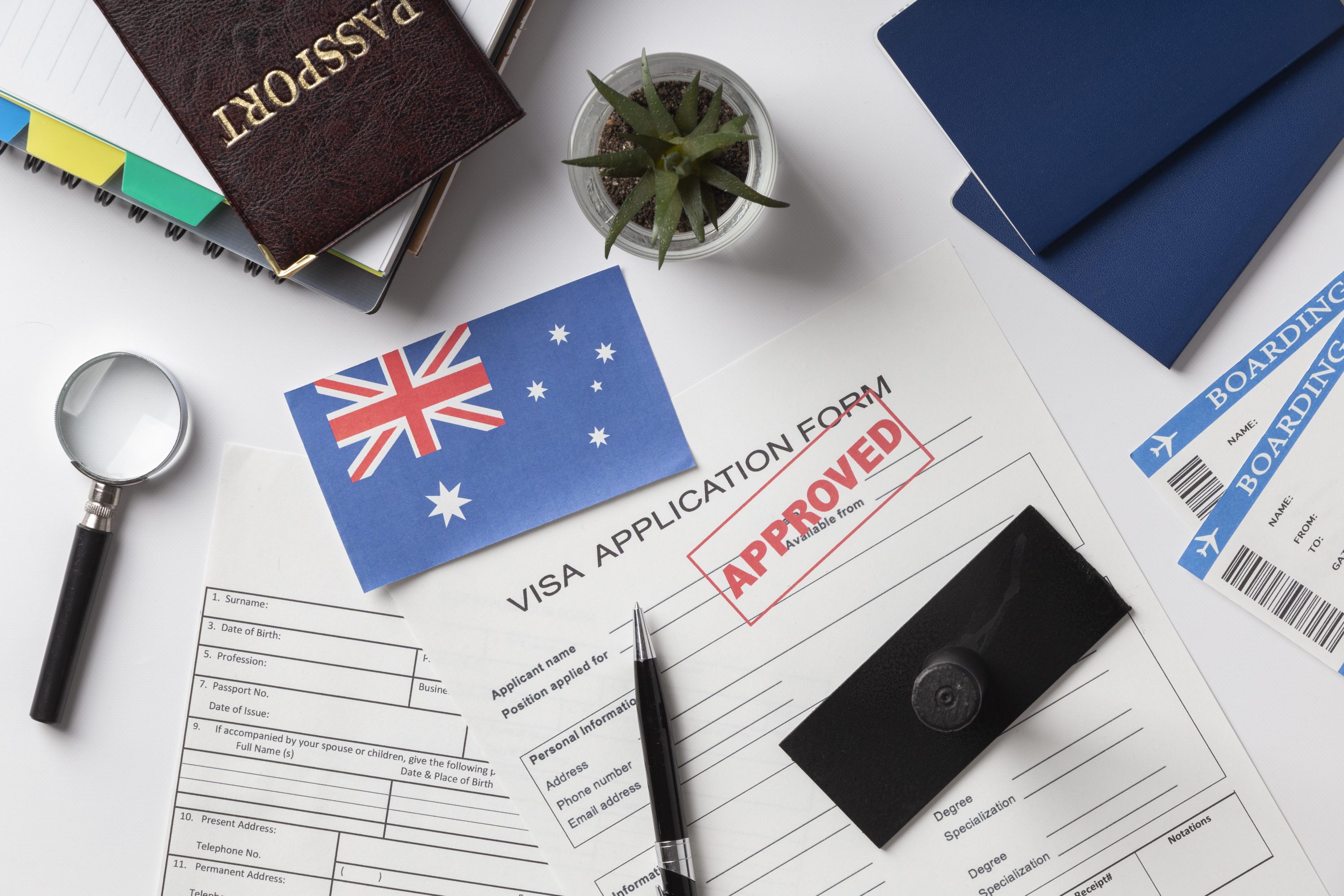
Many student visa problems are caused by documents that are missing, unclear or inconsistent. Here are some common mistakes offshore students should avoid:
* Uploading an expired or unclear passport copy
* Providing a CoE with incorrect personal details
* Submitting OSHC with incorrect coverage dates
* Showing financial documents without explaining the source of funds
* Using a generic Genuine Student statement
* Forgetting to translate non-English documents
* Leaving gaps in study or employment history unexplained
* Providing documents that contradict each other
* Uploading low-quality scans or cropped files
* Waiting too long to respond to requests for more information
A strong application is not just about having many documents. It is about providing the right documents, in the right format, with a clear and consistent explanation.
Why a Document Review Matters Before Lodgement
Once you lodge your student visa application, a decision can be made based on the information you provided. If your application is incomplete or weak, you may not always get a chance to fix it before a decision is made.
This is why a pre-lodgement document review can be valuable. A migration professional can help identify missing documents, inconsistent information, weak explanations, and areas that may need more supporting evidence. This can provide peace of mind before making a major decision about study, travel and finances.
Final Thoughts
Preparing your Australian Student Visa documents doesn’t have to be stressful, even if this is your first time applying from overseas. However, the process becomes easier when you understand what each document is meant to prove.
Your documents should demonstrate your identity, enrollment, financial capacity, English proficiency, academic background, and genuine intention to study in Australia. Before submitting your application, take time to review each document carefully. Ensure your details match, your evidence is current, your translations are complete, and your study plans are clearly explained.
If you are unsure whether your documents are strong enough, SOL Migration can help you review your circumstances and prepare a clearer Student Visa application.
Ready to study in Australia with confidence? Book a consultation with SOL Migration today and let our team guide you through your Student Visa document preparation.
FAQ
What documents are required for an Australian Student Visa application?
Common documents include a valid passport, Confirmation of Enrolment, OSHC evidence, financial capacity documents, English test evidence, academic records, Genuine Student supporting documents and translations where required.
- Do I need a CoE before applying for a Student Visa in Australia?
For most Student Visa Subclass 500 applicants, a Confirmation of Enrolment is required when lodging the application. It confirms your enrolment in a CRICOS-registered course.
- What financial documents are needed for an Australian Student Visa?
You may need bank statements, savings records, fixed deposits, loan documents, sponsor evidence, income records, scholarship letters or other documents showing access to genuine and available funds.
- Do offshore students need OSHC for a Student Visa?
Most international students need Overseas Student Health Cover for their stay in Australia. The policy dates should be checked carefully before visa lodgement.
- Do I need an English test for a Student Visa Subclass 500?
Some students need an approved English test result, while others may be exempt depending on their passport, course type or previous study. Always check the current requirements before applying.
- Can SOL Migration help me check my Student Visa documents?
Yes. SOL Migration can help review your circumstances, identify possible document gaps and guide you through preparing a stronger Student Visa application.
Related Reading:
About this article
SOL Edu Content Team
This article was written by the SOL Edu content team, based on official information from education providers, government sources, and industry updates.
Tess Nguyen
Registered Migration Agent
MARN: 2518843
Last updated:4 NOV 2026